
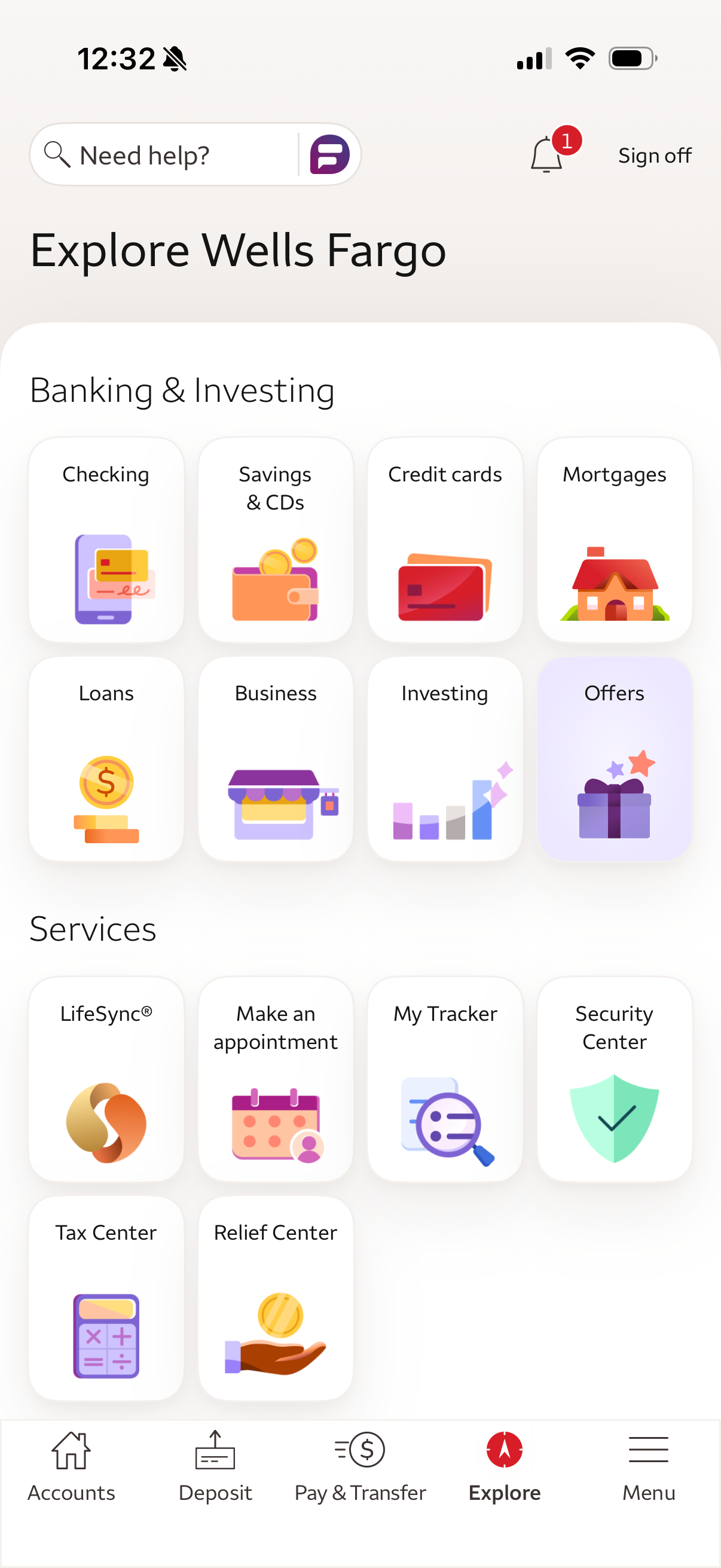
Wells Fargo · Design systems · Enterprise illustration library
My scope: Studio workflow, library architecture, Figma components, and organizational rollout.
I created a shared illustration library that let product teams use approved, production-ready assets directly in their designs. By making existing work easy to discover and implement, I removed the need for many bespoke requests and freed the Studio to focus on work that required original design.
Improving how the Studio delivered
Illustration requests initially took six to eight weeks to reach their first delivery, before external reviews even began.
I redesigned the Studio’s process, reducing that timeline to four weeks with expedited reviews built into the workflow. I made the working review group smaller, restructured meetings, and introduced tracking to improve visibility and management of work in progress.
This improved delivery speed while giving the team a clearer way to manage demand.
Recognizing the opportunity for reuse
Many requests followed a familiar pattern: a team wanted something like an illustration we had already created, adapted for another experience or sub-brand.
These requests often arrived late in a project, after a final review called for more personality or joy in a product flow. Teams faced tight deadlines and executive expectations, yet entered a production process for work that largely existed already.
The opportunity was to make completed work available at the moment teams needed it. A centralized library could serve as both the Studio’s repository and a resource the broader design organization could use independently.
For illustrations already in production, designers could drag a component into their screen and hand it to developers, who could reference the existing asset. Those reuse cases required no new illustration development.
Building for discovery and flexibility
I led the Studio team in gathering illustration assets from several years of work, then established common horizontal and vertical sizes based on recurring needs across mobile and web.
I organized the illustrations into a Figma component library, with ways to browse by size and by experience, including Small Business, Payments, Credit Card, Wealth Management, and Relief Center.
Each component included searchable keywords, its size, and the experience where it had originally appeared. Color variants gave designers flexibility to adapt an illustration to different brand contexts without submitting another request.
The structure made the library useful beyond simple storage: designers could find an appropriate asset, evaluate its fit, and place it directly into their work.
Putting the library into everyday workflows
I partnered with our Figma administrator to configure and publish the asset library. I then worked with the team responsible for our Figma project template to make it a default library across Wells Fargo design projects.
This made access part of the existing workflow and reduced the effort required to get started.
I introduced the library at an organizational all-hands, showing designers in real time that it was already available in their new and in-flight projects. The presentation connected the library’s capabilities to an immediate, practical use.
What the work led to:
Initial bespoke illustration delivery reduced from six–eight weeks to four weeks through the Studio workflow redesign.
Routine reuse needs served through an approved library, bypassing the bespoke production queue.
Fewer repeat requests, stakeholder coordination needs, and kickoff meetings, protecting time for original design work.
Production-ready assets available through the tools and project setup designers already used.
A successful organizational rollout that led leadership to select me for future presentations.
The work turned years of illustration production into a shared capability that helped teams move faster and gave the Studio more capacity for genuinely bespoke work.